
Director: Members have key role in gambling
The Gambling Control Board wants licensed organizations to successfully raise funds for good causes. But to achieve that goal, we need the help of their members. Time and again, we see that organizations with the most gambling problems often have the least membership involvement.
It’s not a coincidence — it’s common sense. The more eyes on an operation, the less likely someone is to attempt theft or fraud. But what exactly should members be watching?
Follow the money

In the film “All the President’s Men,” Bob Woodward and Carl Bernstein’s informant encouraged them to “follow the money” if they wanted to uncover the truth behind the Watergate scandal.
That advice applies just as well to charitable gambling. Whether it’s pulltabs, tipboards, bingo, paddlewheel or raffles, every gambling activity has a way to calculate how much money should remain once the game is done.
Take paper pulltabs as an example: Each game has a set ticket price, number of tickets and number of prizes. If all tickets are sold and prizes paid, the organization should have the game’s ideal net receipts (gross sales minus prizes). If some tickets remain unsold, they must be kept as proof. Winning tickets must also be kept to document prize payouts.
This documentation allows trustees, gambling committee members, accountants and regulators to verify the gambling manager’s reports to the state and to the membership. In well-run organizations, members routinely audit a sample of games each month. These spot checks often catch — and more importantly, deter — attempts to underreport net receipts and skim profits.
The next step is to track the money from your Legion club or other gambling sites to the bank. Game tracking forms show both how much money the organization should have (net receipts) and how much it actually has (cash-in-hand). Differences between these amounts create “cash longs” or, more commonly, “cash shorts.” Either way, cash-in-hand amounts must reach the bank. The only way to confirm that happened is to compare game records to actual bank deposits. If no one is checking, it’s easier for money to go missing.
Even once funds reach the gambling bank account, members should follow the checks, electronic payments and transfers going back out of the account. One group was shocked to find the gambling manager’s ex was still being paid wages — even though they’d moved out of state a year earlier.
Another discovered that the organization had been conned into donating money to a fraudulent nonprofit. Both issues could have been avoided, and maybe even prevented, with closer membership oversight.
Trust, but verify
Nearly 40 years ago, President Ronald Reagan told the Soviets, “Trust, but verify.” That’s good advice for gambling operations too. And when verifying your trust in those running your gambling operation, remember this advice: “Follow the money.”
More Information?
The Gambling Control Board’s website, www.mn.gov/gcb, has a new look with even more easy-to-find information than before. It’s a great place to learn more about charitable gambling.
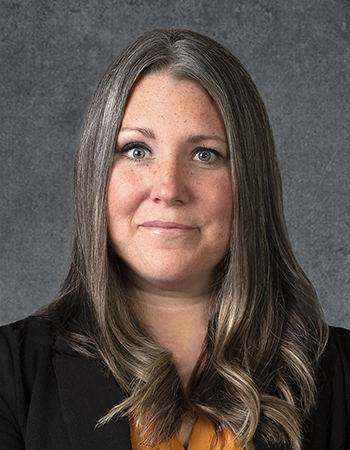
Laura Wade is the executive director of the Minnesota Gambling Control Board.